


Refusing to Fight in Ukraine: Refugee Status for a Chechen Russian National
Our firm recently obtained refugee status before the French National Court of Asylum (CNDA) for a Russian national of Chechen origin who had been mobilised but refused to take part in the war in Ukraine.
The decision is particularly significant because the Court took into account not only the applicant’s individual circumstances, but also the specific context of military mobilisation in Chechnya, when assessing the reality of his military obligations and the risks he would face upon return.
So, what does the case law actually say about Russians who refuse to fight in Ukraine?
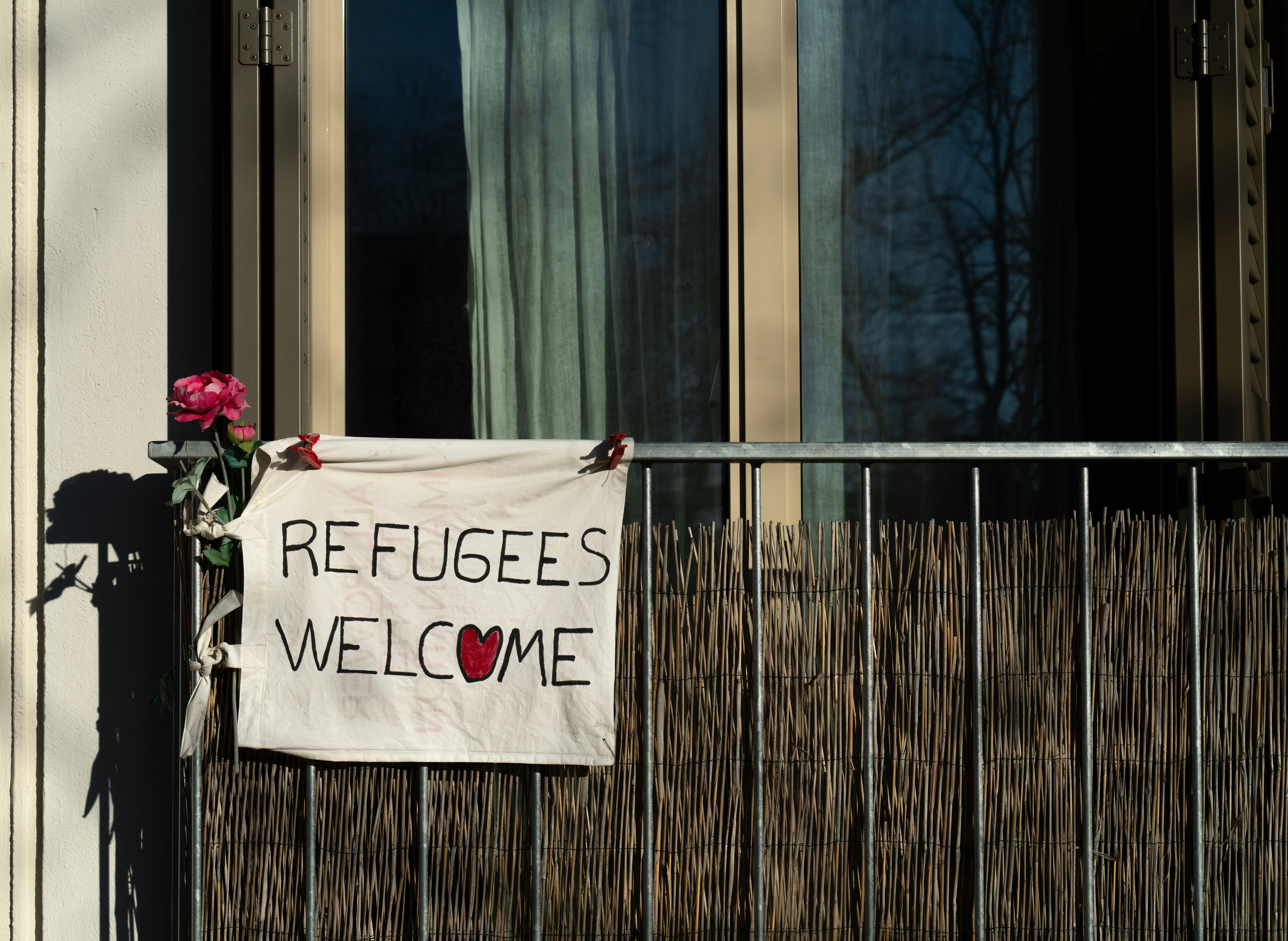
Refusing to participate in a war involving war crimes can lead to refugee status
The legal basis comes from European asylum law. Article 9(2)(e) of Directive 2011/95/EU recognises that prosecution or punishment for refusing military service may amount to persecution where that service would involve participation in crimes, including war crimes.
The Court of Justice of the European Union developed this principle notably in Shepherd (C-472/13, 26 February 2015) and EZ (C-238/19, 19 November 2020).
Importantly, the applicant does not necessarily have to prove that he would personally commit a war crime. Protection may also apply where his military functions would involve him directly or indirectly in the commission of such crimes.
How has the CNDA applied this to Russia?
In its important Grand Formation decision of 20 July 2023 (No. 21068674), the CNDA considered the situation of Russian nationals refusing mobilisation for the war in Ukraine.
After examining the available documentation concerning the conduct of Russian forces in Ukraine, the Court accepted that a person effectively mobilised or forcibly recruited could be required to participate, directly or indirectly, in the commission of war crimes.
The CNDA therefore recognises that Russian nationals who refuse mobilisation, or mobilised persons who desert, may qualify for refugee status where the resulting prosecution or punishment amounts to persecution.
But protection is not automatic.
Being Russian, being of military age or simply belonging to the military reserve is not enough. The applicant must provide credible evidence demonstrating that he is personally and effectively subject to mobilisation or another military obligation.
The particular context of mobilisation in Chechnya matters
Our client’s Chechen origin was an important part of the factual context in which his individual situation had to be assessed.
The situation in Chechnya cannot necessarily be approached in exactly the same way as mobilisation elsewhere in the Russian Federation. The particular circumstances in which men have been recruited and mobilised in Chechnya, and the pressures that may accompany that process, are relevant when assessing whether an applicant is genuinely exposed to military service and what consequences he may face for refusing it.
The Court therefore took into account the specific context of mobilisation in Chechnya, together with our client’s personal circumstances and evidence, when assessing the reality of the risk he faced.
This is important because asylum claims are not determined solely by general rules. The CNDA must examine how those rules apply to the applicant’s actual individual situation.
The fear of persecution must still be current
Another important aspect of the decision obtained by our firm concerns the current nature of the risk.
Asylum law requires the CNDA to assess what would happen to the applicant if he were returned today. It is not enough to show that he faced a risk when he originally left Russia.
In our client’s case, the Court considered that his fear of persecution remained current.
The passage of time does not necessarily erase the consequences of refusing mobilisation. Where an applicant remains exposed to military obligations or to sanctions because of his previous refusal, the risk may continue to be personal and present.
What must an applicant prove?
In practice, a Russian national seeking refugee status on this basis must establish that he is genuinely subject to mobilisation or military service; that this could involve direct or indirect participation in a conflict involving war crimes; that his refusal exposes him to treatment amounting to persecution; and, importantly, that this risk remains personal and current.
The applicant’s regional and individual circumstances also matter. For a Chechen applicant, this means that the specific conditions surrounding recruitment and mobilisation in Chechnya may form an important part of the assessment.
Why this decision matters
The decision obtained by our firm shows how the principles developed by the CJEU and the CNDA operate in practice.
A refusal to participate in the war in Ukraine is not automatically sufficient to obtain refugee status. But where an applicant can demonstrate the reality of his mobilisation, the risk of direct or indirect participation in war crimes, the consequences of his refusal and the continuing risk of persecution upon return, international protection may be granted.
For our client, the CNDA concluded that those requirements were met. Taking into account his individual circumstances, including the particular context of mobilisation in Chechnya, the Court recognised that his fears remained well-founded and current and granted him refugee status.
Picture by ricardo-gomez-angel on unsplash
No Comments